
CCFI recommends lifting ban on 12 chemicals used in pest control
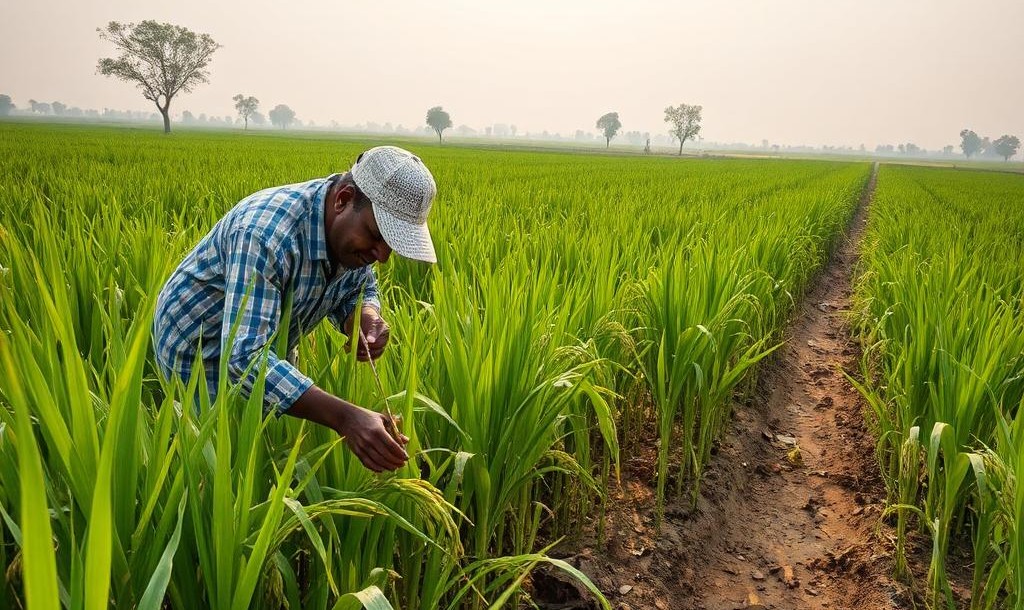
Image: AI-generated
CCFI recommends lifting ban on 12 chemicals used in pest control – The Confederation of Crop Protection Industries (CCFI) recently recommended lifting the proposed ban on twelve specific chemical substances used for pest control in basmati rice cultivation in the Punjab region. The implications of this recommendation are significant and affect not only the agricultural and economic landscape of Punjab, but also the broader global trade dynamics of this premium rice variety.
Basmati rice is known for its distinctive aroma and long grains and is an important export product for India. Punjab is one of the main producers. However, like any other agricultural product, basmati rice is susceptible to various pests and diseases, which can drastically affect yield and quality. To mitigate these problems, farmers traditionally rely on a range of chemical pesticides known for their effectiveness in pest control.
Purpose of the ban
The proposed ban on these twelve chemicals was part of an effort to promote sustainable agricultural practices and reduce dependence on chemicals. This is entirely in line with the global trend toward organic and environmentally friendly agriculture. The government and environmental groups are seeking to reduce the use of chemical pesticides due to concerns about their long-term effects on health and the environment. Research shows that certain chemical substances may leave residues in the soil, water, and food. This can pose risks to farmers, consumers, and ecosystems. To mitigate this, a proposal was made to ban 12 of these chemicals for use in the agricultural sector, including the cultivation of prestigious Basmati rice.
Controversy
The controversy arose because many farmers and agricultural interest groups opposed the ban. They fear that a sudden end to the use of these chemicals could lead to an increase in pest problems, reduced crop yields, and financial losses. Basmati rice is one of India’s most valuable export products and an important source of income for farmers in Punjab. Farmers consider the use of these chemicals essential for protecting their crops against pests and diseases. The CCFI argues that the immediate removal of these substances could lead to significant yield losses, as alternative control methods may not yet be widely available or equally effective. Such a loss would not only be economically damaging to farmers, but would also have consequences for the wider supply chain and export potential.
Arguments for a ban
Environmental groups, health organizations, and sustainable agriculture advisors point to the negative impact of chemical pesticides on biodiversity, soil health, and public health. They advocate for the development and use of bio-agents, natural enemies of pests, and biological control agents. They emphasize that the use of these chemical molecules can not only be harmful to the ecosystem, but can also have long-term consequences for consumers and the environment.
Arguments against the ban
Farmers and industry believe that the ban undermines their ability to use effective and rapid solutions to pest problems. They fear that without chemical agents, production will decline, the quality and quantity of Basmati rice may fall, and export opportunities will be reduced as a result. Especially in a country where agriculture still relies heavily on chemical pesticides, they argue that the alternatives are not always as effective, affordable, or available.
Punjab’s economy is heavily dependent on agriculture, and basmati rice is a crucial export product. Disruptions in production can have a domino effect, including price fluctuations on the international market, loss of competitiveness compared to other basmati-producing regions such as Pakistan, and ultimately a decline in foreign exchange earnings. It could also lead to an increase in imports of alternative pest control methods, which could further increase the financial pressure on farmers.
Alternative solutions and recommendations
In its recommendation to lift the ban, the CCFI emphasizes the need for a phased approach. They propose investing in the development and dissemination of integrated pest management methods, which combine biological, cultural, and chemical tools in a sustainable manner. Research into biological pesticides, better pest-resistant crop varieties, and training programs for farmers are crucial components of this strategy.
Transition period
Furthermore, a transition period would enable scientists and policymakers to evaluate the effectiveness of non-chemical alternatives under realistic conditions. Cooperation between government agencies, research institutions, and the private sector could ensure the development of a balanced framework that meets both environmental and economic objectives.
Balancing interests
The CCFI’s recommendation to suspend the ban on these twelve chemicals reflects a pragmatic approach to a complex problem. Balancing the immediate needs of farmers and the long-term sustainability of agriculture requires careful consideration of both scientific developments and economic realities. As Punjab continues to position itself as a leader in basmati rice production, such decisions will shape the future of the agricultural landscape and maintain Punjab’s position in the global market.
Provisional suspension of ban
Under pressure from the market, the government has decided to provisionally suspend the ban on the twelve substances in order to allow for a transition period. During this period, research and development will focus on alternative, sustainable pest control methods. However, the debate continues, with both sides sticking to their positions: environmental and health protection versus farmers’ interests and economic stability.
Conclusion
The controversy surrounding the ban on these chemicals in Punjab highlights the complexity of finding a balance between ecological sustainability, public health, and economic interests in the agricultural sector. It underscores the need for an integrated approach that focuses on innovation, regulation, and the involvement of all stakeholders in order to arrive at a sustainable and practical solution.
Ultimately, this scenario underscores the importance of dialogue and cooperation between all stakeholders in order to arrive at a solution that promotes both environmental management and economic vitality.
Source: Indian Chemical News
Also read: PMFAI India urges government action against US tariff shock
Reservation
This information has been compiled with the greatest possible care, in some cases from different information sources and sometimes with the help of AI. (Interpretation) errors are not excluded. No legal obligation can therefore be derived from this text. Everyone dealing with this subject has the responsibility to delve into the matter!