United Kingdom tightens export rules for chemicals
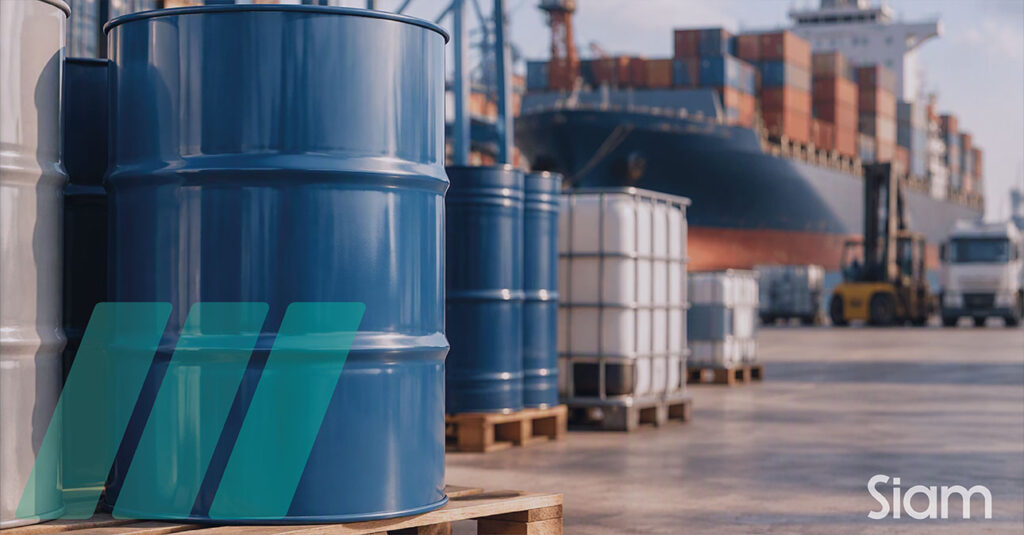
United Kingdom tightens export rules for chemicals – Since 28 August 2026, new rules have applied in Great Britain to the export of certain chemicals and products. The UK’s Health and Safety Executive (HSE) has expanded the GB PIC List and tightened export restrictions on persistent organic pollutants (POPs) and mercury-containing products. The changes implement international agreements under the Rotterdam and Stockholm Conventions.
Consent required for newly listed substances
Several substances have been added to Part 3 of the GB PIC List. Exporters must obtain consent from the destination country before exporting them. The substances are:
- Decabromodiphenyl ether (DecaBDE);
- Perfluorooctanoic acid (PFOA), its salts and related compounds;
- Terbufos;
- Carbosulfan;
- Ultra-low-volume (ULV) formulations of fenthion containing at least 640 g/L of active ingredient.
Further restrictions on POPs
The new rules also restrict the export of dicofol; pentachlorophenol (PCP), its salts and esters; PFOA; PFOS; PFHxS; and methoxychlor, including its isomers. These measures implement the UK’s international obligations under the Stockholm Convention.
Tighter controls on mercury-containing products
Export restrictions have also been tightened for various industrial and consumer products containing mercury. The measures strengthen the controls already in place under UK regulations.
Review your export obligations
Businesses exporting the substances or products listed above should check which rules apply to their activities and whether their procedures meet the new requirements. Siam supports manufacturers, importers and exporters in assessing GB PIC requirements, checking the regulatory status of controlled substances, and meeting their international trade obligations.
Also read: European ban on smoke flavorings puts pressure on the food industry
Reservation
This information has been compiled with the greatest possible care, in some cases from different information sources and sometimes with the help of AI. (Interpretation) errors are not excluded. No legal obligation can therefore be derived from this text. Everyone dealing with this subject has the responsibility to delve into the matter!