
Nobel Laureate Susumu Kitagawa: How Air Could Become the Gold Mine of the Future
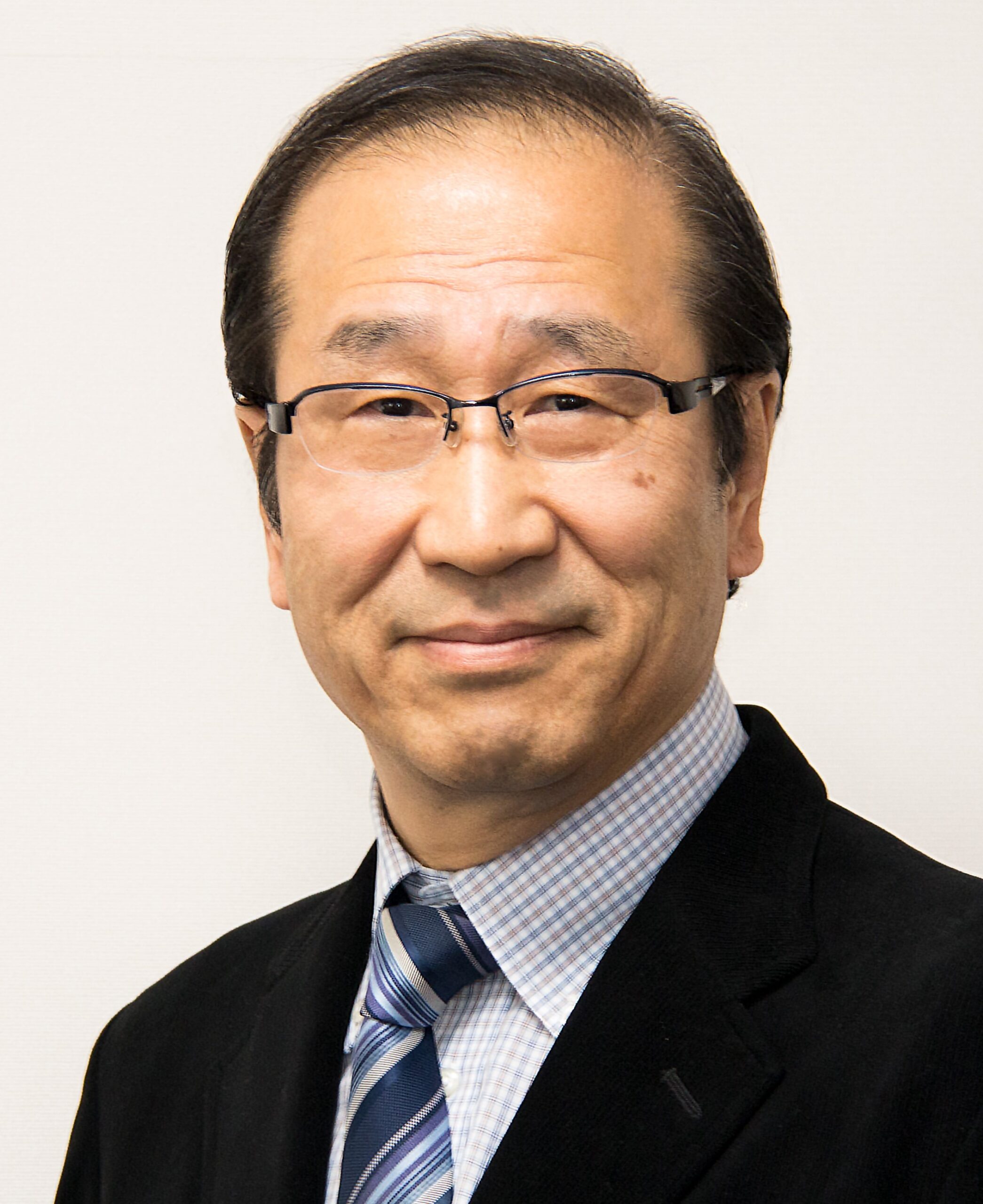
Nobel Peace Prize winner Susumu Kitagawa. Image: Wikipedia.
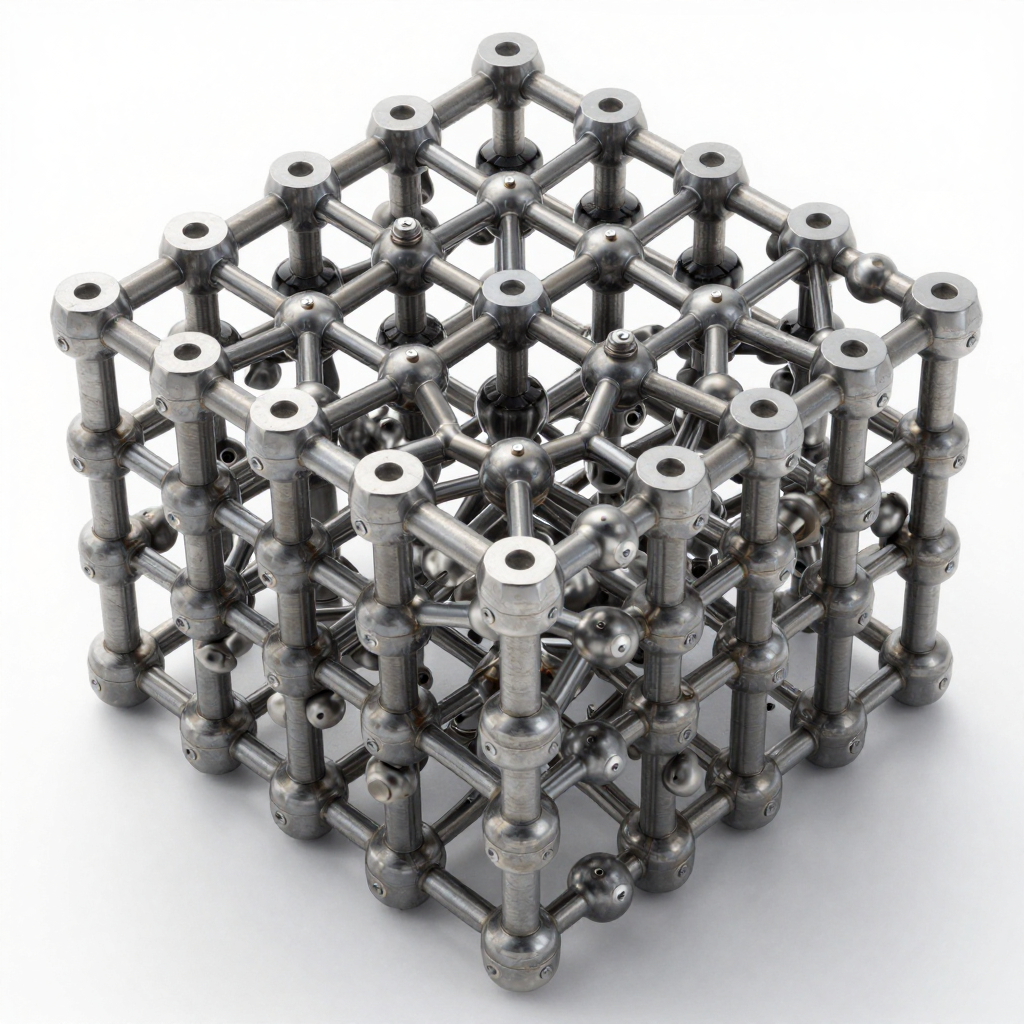
KI-generiertes Bild eines metall-organischen Gerüsts (MOF).
In 2025, Kitagawa was awarded the Nobel Prize in Chemistry together with Omar Yaghi and Richard Robson for the development of porous coordination polymers, including the so‑called metal–organic frameworks (MOFs). His major contribution lay in creating stable MOFs and then a third generation of MOFs that were no longer rigid, but flexible and adaptable.
Frameworks with the surface area of a football field
MOFs are formed when metal ions are linked with organic “connectors” to create a huge, often three‑dimensional crystal lattice. This lattice contains countless pores in which gas molecules can be trapped. The result is extremely porous materials that can absorb and store gases. One gram of MOF, Kitagawa emphasizes, can have an internal surface area the size of an entire football field.
Raw materials from air instead of from the ground
At the 10th EuChemS Chemistry Congress in Antwerp, Kitagawa pointed out that we already handle solids and liquids quite well, but gases remain challenging. With materials like MOFs, he believes we can extract elements such as carbon, oxygen and hydrogen directly from the air as feedstock for industry. This would give all countries access to the same resources, without putting pressure on scarce resources such as fresh water.
We’ve mastered nitrogen – now we need sustainable hydrogen
We already use nitrogen from the air, for example in the Haber–Bosch process for producing fertilizers. The weak point is hydrogen, which currently comes mainly from natural gas and oil. Kitagawa expects that in the future we will be able to produce hydrogen by capturing water vapour from the air and splitting it into hydrogen and oxygen. This hydrogen could then not only react with nitrogen to form fertilizers and other chemicals, but also serve as a feedstock for synthetic fuels via Fischer–Tropsch processes.
Building fuels from carbon dioxide and hydrogen
In such a future chemistry, CO₂ from the air is first converted with hydrogen via the reverse water–gas shift reaction into a mixture of carbon monoxide and water. After drying and adding more hydrogen, synthesis gas (syngas) is obtained, which can be converted over metallic catalysts into liquid hydrocarbons: fuels and chemical building blocks made from air instead of oil.
Long‑term vision meets short‑term politics
By and large, the science is already there, says Kitagawa, but politics rarely looks more than a few years ahead. His dream of mining this “invisible gold” on a large scale within fifty years requires huge investments and a clear long‑term perspective. That is precisely why, he reports, he used his plenary lecture to inspire and mobilize young researchers.
A dilute molecular economy is tough
The shift to a “dilute molecular economy” is, however, technically demanding. Carbon dioxide makes up only about 0.04% of the atmosphere; capturing it directly from air is currently very energy‑ and cost‑intensive. Kitagawa is convinced that new, even more selective porous materials can make this gas capture much more efficient and affordable.
Smart, soft MOFs that flex and select
His research group is developing soft, porous MOFs for this purpose. Some of them are highly flexible and can almost double their volume when they take up guest molecules, which makes them attractive for mechanical applications such as actuators. Other structures change little in size but locally rearrange their organic ligands and are therefore extremely well suited for highly targeted gas separation. These materials are much more robust than older variants and can withstand many cycles of adsorption and desorption.
Keeping water out, pulling CO₂ in
An additional challenge is that both exhaust gases and ambient air contain water vapour, which interferes with the selective uptake of CO₂. Kitagawa’s team has therefore designed MOFs with hydrophobic pores. Water is repelled, while carbon dioxide is specifically attracted and retained – a crucial step toward efficient CO₂ capture from real, humid gas streams.
A visionary roadmap for the chemistry of tomorrow
Gill Reid, former president of the Royal Society of Chemistry and an expert in coordination chemistry, calls Kitagawa’s idea an extraordinary vision of the future. She describes his journey from the discovery of coordination complexes with molecular “holes” to the deliberate design of dynamic structures that can take up and release gases such as methane and carbon dioxide with great precision as deeply inspiring – a foretaste of a chemistry that uses the air itself as a mine.
Source: ChemistryWorld
Also read: Three new chemical parks to give powerful boost to India’s industry
Reservation
This information has been compiled with the greatest possible care, in some cases from different information sources and sometimes with the help of AI. (Interpretation) errors are not excluded. No legal obligation can therefore be derived from this text. Everyone dealing with this subject has the responsibility to delve into the matter!